It is even difficult when one has to write an academic assignment. Brainstorming and research, formatting and submission are all stages that require time, attention, and effort. Following a systematic approach is something that is not taken seriously by students, and a clear process can change the whole experience. Be it a university student with your first big paper or a working person with a revival of your academic writing, this guide will help you know how to get through the assignment writing process without any difficulties.
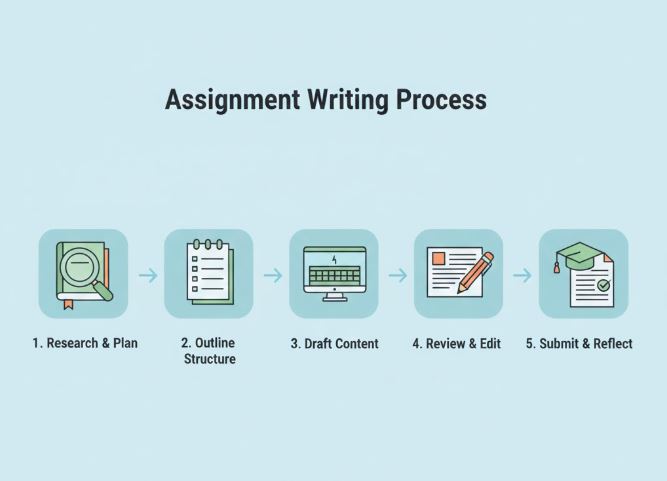
The steps involved in the process are presented below in a step-by-step format, beginning with research and concluding with submission.
Understanding the Assignment Requirements
Reading the Guidelines Carefully
The first thing is to read the instructions of the assignment thoroughly. The professors tend to give guidelines on the subject, the number of words required, the style of formatting, and the deadline. Not taking these into account may cause you to make unnecessary errors even before you start writing. Indicate key instructions you avoid missing any important points.
Clarifying Doubts
If anything seems unclear, ask your instructor. Many students hesitate, but clarification at the beginning saves you from rewriting later. You can also review examples of similar assignments to understand what is expected.
Conducting Effective Research
Identifying Reliable Sources
The second step after making the requirements clear is research. Use scholarly journals and books as well as reliable websites rather than haphazard online articles. This assists you in gaining credibility in your work.
Organizing Notes
Keep your research organized with a digital tool or notebook. Sort your notes into subtopics to be able to add them to your draft later.
Narrowing Down the Focus
An error which comes frequently is attempting to do too much. Concentrate on the main question or thesis of your assignment. This guarantees profundity as opposed to a shallow but wide conversation.
Planning and Outlining
Creating a Clear Structure
Before jumping into writing, create an outline. Break your work into introduction, body, and conclusion. Within the body, decide the main arguments or sections.
Allocating Word Count
Allot word counts per part. An example would be a 2000-word essay, where you set aside 300 words to the introduction, 1400 words to the body and 300 words to the conclusion.
Time Management
Make a timeline that includes research, drafting, proofreading, and editing. Proper planning avoids last-minute stress.
Writing the First Draft
Starting with the Introduction
An introduction must be interesting and contextual. Make clear the thesis so that the readers are aware of what to expect. Do not put long background information here- make it brief.
Building Strong Paragraphs
Each paragraph should start with a topic sentence followed by evidence and examples. Link your arguments back to the thesis to maintain coherence.
Using Academic Tone
Maintain a formal, objective tone throughout. Avoid slang, contractions, or overly casual language. Remember, assignments should reflect critical thinking and academic credibility.
Incorporating Evidence and Citations
Quoting and Paraphrasing
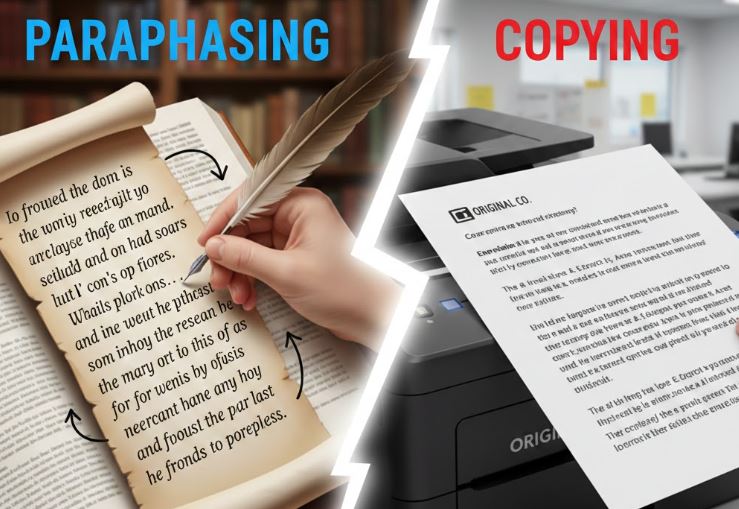
Use evidence in your arguments presented by reliable sources. Direct quotes are to be used but should be minimized, and paraphrasing should be practiced to demonstrate comprehension.
Proper Referencing
Various institutions can demand APA, MLA, Harvard or Chicago referencing. Also, pay attention to the format to be used.
Avoiding Plagiarism
Always acknowledge sources. Plagiarism can have severe academic consequences, so use plagiarism-checking tools before submission.
Editing and Proofreading
Reviewing Content
After finishing your first draft, review it critically. Check if every argument is supported and whether the assignment flows logically.
Correcting Grammar and Style
Watch out for grammatical mistakes, punctuation and awkward sentences. Having someone read your work aloud would assist you in seeing inconsistencies.
Formatting and Presentation
Ensure your assignment follows the given formatting rules—font size, margins, headings, and referencing style all matter. A polished presentation reflects professionalism.
Seeking Feedback
Peer Review
You should have someone look through your work before you finalize, ideally a peer or classmate. New eyes can identify the areas of improvement that you could have missed.
Professional Support
When the deadlines are strict, students may, on occasion, utilize an assignment writing Service to polish their drafts. This will also include expert editing, structural improvement, and proper referencing in such services, which will make it a better work.
Final Submission
Checking the Deadline
Turn your work in well ahead of time so that you do not have to deal with technical problems at the last minute. There can be strict closing times of online portals, hence do not leave it till the end.
Backing Up Your Work
Save your final assignment on multiple platforms such as cloud storage, USB, and email. Losing your work right before submission can be a nightmare.
Confidence in Your Effort
You should be proud that you worked hard. Having a properly done assignment not only gets you better grades but also boosts your future writing of academic papers.
Practical Tips for a Stress-Free Assignment Process
Stay Consistent with Effort
Instead of cramming everything in one night, spread your work across days or weeks. Consistency reduces stress and improves quality.
Use Tools Wisely
Grammarly, citation generators, and plagiarism checkers can make the process more efficient. However, do not rely solely on tools—manual review is equally important.
Affordable Support Options
When most students are overwhelmed, they seek a cheap assignment writing service UK. These services are not meant to substitute personal effort; however, they can be helpful with editing, formatting, or final-minute instructions. By hiring cheap but quality help, students will not have to sacrifice quality because of low costs.
Conclusion
An assignment is not only a task to perform, but also a learning experience, analysis and presentation of knowledge. Recognising the need to research, write, revise, and present, each process is integral to finalising the piece of work. Through a systematic approach, students can reduce stress and improve their performance. And when necessary, expert advice or professional help may be of use.
Note, the process of assignment writing is a skill that gets enhanced with practice. Each research paper you finish hones your research, organization and critical thinking skills. By it, you can successfully and confidently make the transition between research and submission.
References
BAW. 2018. How Assignment Writing helps in securing Good Grades?. Online Available at: <https://bestassignmentwriter.co.uk/blog/assignment-writing-helps-securing-good-grades/> (Accessed: 8 SEP 2025).
Murray, R., 2019. Writing for Academic Journals 4e. McGraw-Hill Education (UK