Most beginners want to hit boundaries early. That urge often leads to mistimed shots and short innings.
Cricket does not reward rushing the basics.
The first shot every new batter should learn is the straight drive in cricket. It teaches balance, patience, and control. More importantly, it helps you survive longer at the crease.
If you are new to batting or struggling with consistency, this guide shows how to play a straight drive in cricket step by step, without jargon or shortcuts. These are the same basics coaches teach at school and club level because they work in every format.
What Is a Straight Drive in Cricket
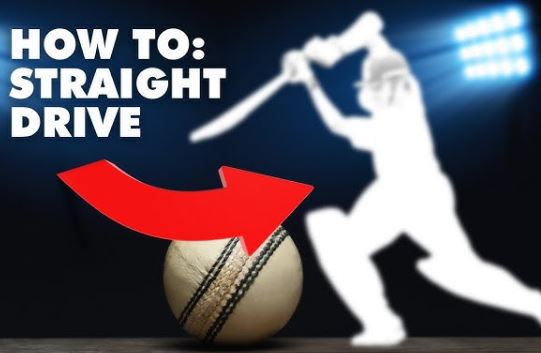
A straight drive in cricket is a front-foot shot played with a vertical bat, hitting the ball straight past the bowler.
It is usually played to a full-length delivery on or near off stump. The aim is not power. The aim is clean contact and balance.
For beginners, the straight drive matters because it builds habits that carry into every other shot.
- Proper head position
- Correct foot movement
- Straight bat swing
- Safer scoring areas
If you learn this shot early, fewer balls beat you. Fewer mistakes follow.
Why Beginners Should Learn the Straight Drive First
Many beginners try cross-bat shots before learning how to hit straight. That often leads to edges and poor balance.
The straight drive acts as a base shot. Once it is solid, other drives feel easier.
Here is why coaches start beginners with this shot.
- It teaches you to judge length
- It keeps the bat close to the body
- It reduces risky swings
- It builds confidence early
When beginners struggle, the issue is rarely talent. It is usually skipping this step.
Step 1: Correct Batting Stance for Beginners
Before learning how to play a straight drive in cricket, your stance must be stable.
A good stance allows smooth forward movement without falling over.
For beginners, focus on these basics.
- Feet shoulder-width apart
- Knees slightly bent
- Weight balanced evenly
- Eyes level and facing the bowler
Avoid standing too open or too closed. A neutral stance helps the bat come down straight.
Once your stance feels comfortable, movement becomes easier.
Step 2: Proper Grip for the Straight Drive
Grip controls the bat face. If the grip is wrong, the straight drive will never feel right.
Beginners should use a relaxed, neutral grip.
- Hands together on the handle
- V-shape between thumb and index finger
- Bat face pointing straight down
A grip that is too tight causes hard hands. A grip that is too loose causes loss of control.
The bat should feel like an extension of your arms, not a heavy tool.
Step 3: Watching the Ball Early
Many beginners fail at the straight drive because they stop watching the ball.
The habit is simple but powerful.
- Pick up the ball from the bowler’s hand
- Track it all the way to the bat
- Keep your head still at contact
Good batters look calm because their eyes stay still. Beginners should focus on this more than swing speed.
Watching the ball buys you time.
Step 4: Front Foot Movement Explained Simply
Footwork decides whether a straight drive succeeds.
For beginners, the front foot must move toward the ball, not across it.
Key points to remember.
- Step forward toward the line of the ball
- Keep the foot close to where the ball lands
- Do not overstep or lunge
The front knee should bend slightly, with the head above it. This keeps balance during contact.
If the foot does not move, the bat has no support.
Step 5: Bat Swing and Contact Point
The bat swing for a straight drive is simple but strict.
The bat must come down straight, close to the pad.
At contact, focus on these points.
- Bat face straight
- Hands ahead of the bat
- Contact under the eyes
The follow-through should be natural, finishing toward the target area.
Beginners should not force the follow-through. Let it happen naturally.
Step 6: Timing Over Power for Beginners
One common beginner mistake is swinging too hard.
Power is not needed for a straight drive.
Timing creates speed.
Good timing comes from these habits.
- Smooth swing
- Still head
- Balanced body
When timed well, the ball travels quickly without effort.
Beginners who chase power lose shape and balance.
Common Beginner Mistakes While Playing the Straight Drive
Mistakes are normal when learning how to play a straight drive in cricket. Knowing them early helps you fix them faster.
Here are common errors beginners make.
- Playing away from the body
- Leaning back instead of forward
- Swinging across the line
- Trying to hit too hard
- Losing balance after contact
Each mistake usually comes from rushing the shot.
Slow down. Focus on shape first.
Straight Drive Against Fast Bowling for Beginners
Fast bowlers often trouble beginners by pitching full and swinging the ball.
The straight drive helps counter this if played correctly.
Beginners should focus on these adjustments.
- Commit fully to the front foot
- Keep the bat close to the pad
- Avoid driving early in the innings
If unsure about length, defend instead of driving. Shot selection matters as much as technique.
Straight Drive Against Spin for Beginners
Spin bowling tempts beginners into risky shots.
The straight drive against spin should stay along the ground.
Key reminders.
- Reach the pitch of the ball
- Keep the bat vertical
- Play with soft hands
If the ball turns sharply, defense is a better option.
Beginners should learn when not to drive.
Simple Practice Drills for Beginners
You do not need advanced facilities to improve the straight drive.
Simple drills build muscle memory.
- Shadow batting in front of a mirror
- Drop-ball drill focusing on bat path
- Gentle underarm throws
- One-step forward drill
Practice slowly. Speed comes later.
Consistency beats volume.
Straight Drive vs Cover Drive for Beginners
Beginners often confuse these two shots.
The straight drive goes past the bowler. The cover drive goes through extra cover.
The straight drive is safer because the bat stays closer to the body.
This is why beginners should master the straight drive before attempting cover drives regularly.
Why the Straight Drive Builds Confidence
Every good innings starts with control.
The straight drive gives beginners early confidence because it feels stable and repeatable.
Once you trust this shot, pressure reduces. Decision-making improves.
Batting becomes calmer.
That mental benefit matters as much as runs.
Is the Straight Drive Useful in Modern Cricket
Yes. The straight drive works in all formats.
Even in T20 cricket, beginners use it to settle before expanding shots.
It keeps the scoreboard moving without unnecessary risk.
This is why the straight drive remains a core coaching tool.
FAQ: How to Play a Straight Drive in Cricket
What is a straight drive in cricket
A straight drive is a front-foot shot played with a straight bat past the bowler.
How to play a straight drive in cricket for beginners
Step forward, keep your head still, and bring the bat down straight under your eyes.
Is the straight drive safe for beginners
Yes, it is one of the safest shots when played to a full ball.
What ball length is best for a straight drive
A full-length delivery on or near off stump.
Should beginners hit the straight drive in the air
No, beginners should keep it along the ground.
Why do coaches teach the straight drive first
It builds balance, control, and proper batting habits.
Can the straight drive be played against spin
Yes, if you reach the pitch and keep the shot grounded.
What is the biggest mistake beginners make
Trying to hit too hard instead of focusing on timing.
Can I practice the straight drive at home
Yes, shadow batting and drop-ball drills work well.
Is the straight drive important in T20 cricket
Yes, it helps manage risk early in the innings.
Key Takeaways and Next Steps
Learning how to play a straight drive in cricket is not about style. It is about control.
For beginners, this shot teaches balance, patience, and decision-making. Master it early, and other shots feel simpler.
Focus on stance, footwork, and timing. Practice slowly and regularly.
Talk to coaches, watch good batters closely, and respect the basics. Cricket rewards players who learn to hit straight before hitting big.