
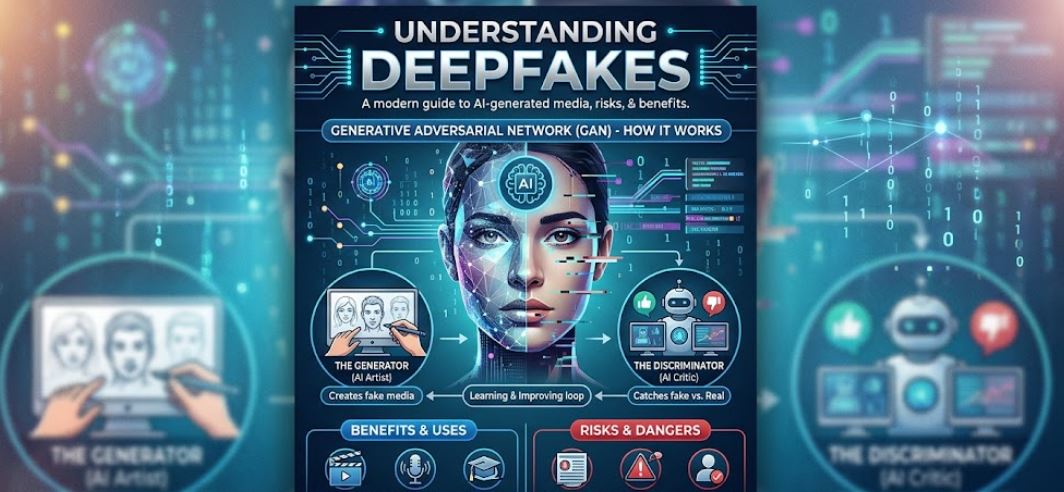
The emergence of artificial intelligence has changed the manner in which marketing content can be created and offered by businesses. Technology has assisted brands to create campaigns that are more engaging at a speed that has never been witnessed before whether it is automated copywriting programs or AI generated images. With these innovations, though, there is increasing challenge the proliferation of AI generated Deepfakes. Such realistic manipulated images, videos, and audio clips can simulate real people and events, and it is hard to find the difference between authentic content and the fake one.
This is a grave danger to marketers. One wrong video or a false promotion can tarnish the image of a company, and deceive the customers. With the rise of the more visual and video-based digital platforms, the necessity of a quality DeepFake Detection has never been more significant than it is presently. With the ability to spot controlled media earlier before it goes viral, the organizations can uphold the credibility of their brands and preserve their trust with the audiences.
The Explanation of AI Generated Deepfakes
Deepfakes are developed based on the sophisticated machine learning methods that would process extensive amounts of images, videos or voice recordings. Through the analysis of patterns of facial movements, speech, and expressions, AI systems are able to create synthetic media that appears very realistic.
Initially, deepfake technology was of interest to the entertainment and research circles. It is currently very accessible with software and online tools available at consumer level. This ease has ensured that people can make fake content that could imitate celebrities, other personalities or even business managers. The implications are important to the marketing professionals. Online marketing usually depends on visual storytelling, collaboration with influencers, and sponsored video marketing. Deepfake AI market could disrupt the online ecosystem when they get introduced to the brand messages or generate a false impression on the credibility of marketing content.
These tampered videos and images have the ability to propagate rapidly in the social media, thus companies should be on their toes. Early detection of altered media will assist in avoiding misinformation to a number of people.
The explanation as to why Deepfakes are a menace to Marketing
Authenticity is very crucial in marketing strategies. Consumers wish to see what brands tell them and particularly when they come across adverts, reviews of products and influencer recommendations. This trust can be destroyed by the proliferation of deepfake content on the Internet. Among them is the establishment of bogus celebrity endorsements. Altered video can also seem to be one which represents a famous figure endorsing a product that they never did. What a viewer thinks is a real piece of content has the potential to put the brand connected to the content through legal or moral problems.
The other risk is misinformation campaigns. Malicious actors or competitors may distribute the maneuvered media portraying the policies, products, or leaders of a business in a false way. These accidents are easily transformed into PR lives. Also, deepfake content has the potential to interfere with marketing analytics. Viral manipulating videos can affect engagement metrics and make it more difficult to determine the actual campaign impact on the marketer.
Due to such risks, numerous organizations are resorting to Deepfake Detection online systems to ensure that the authenticity of digital media is established before releasing it to the various marketing channels.
Finding out the working process of Deepfake Detection
Deepfake Detection is an artificial intelligence, computer vision and data analysis combination that is used to detect manipulated content. The detection systems use visual and audio patterns that can be a sign of artificial alteration. Lots of detection devices use the discrepancy in the face as unnatural blinking, distorted light or faces of an abnormal movement. These are the minor signs that can give away the fact that a video is synthetically created or modified.
Other technologies analyze metadata and compression patterns of images and videos. Detection systems are able to detect indicators of manipulation by comparing files with established attributes of genuine media.
Another valuable element is audio analysis. The AI tools are capable of analysing the speech patterns and the background noise to identify whether a voice recording was created synthetically or edited.
Collectively, these techniques enable Deepfake Detection software to determine the authenticity of media files and give warnings when it discovers suspicious files.
Detection and its role in preserving Brand Reputation
Among the best marketing assets is brand reputation. Years of reputation achieved by delivering on the same message can be shattered within a short time in case of the dissemination of manipulated media through online media. When a collaboration between companies and detection tools is introduced, the same companies can avoid the possibility of accepting fake videos or pictures as the official marketing resources. It is particularly crucial to the brands which largely depend on video advertising, or the collaboration with influencers or users.
Verification can also aid marketing departments in ensuring that an item of media is genuine before it is disseminated into the open. In case of any discovered manipulated content, the company will be able to react fast by clarifying or removing the manipulated content.
Besides averting the brand reputation, detection technologies can also aid in sustaining consumer confidence. Whenever the audience is aware that organizations value their role in media authenticity, chances are high that they will trust in the information they get in marketing campaigns.
Deepfakes and the Spread of Social Media
Modern marketing strategies have been based on social media platforms. These are channels through which brands reach out to audiences, create campaigns and advertise products. Nevertheless, social media allows spreading manipulated content, as the speed of sharing it is also increased.
A viral deepfake video can receive thousands of views within minutes, particularly when it seems to be an involvement of a famous personality or provocative assertion. When the content has gone to various levels, it becomes very hard to correct any misinformation. Deepfake Detection online tools are significant to track digital content in the social networks. These tools can be used to detect the possible manipulations prior to a larger population finding out about them because they scan media files and identify suspicious patterns.
The marketing teams can also be alerted by the monitoring systems whenever suspicious content is posted online. Early notice enables brands to act swiftly, rectify the matter and minimize the harm likely to be caused to their reputation.
Marketing Ethics in AI
Digital marketing is taking on a new form of artificial intelligence. The AI helps in the creation of content, personalization, and analysis of the audience. Although these technologies introduce efficiency and creativity, they also have ethical concerns of transparency and authenticity. The presence of AI created by Deepfakes makes marketers work towards responsible communication habits. The media that the brands release to the market should reflect the reality of actual people, products, and messages.
Using Deepfake Detection software is one way in which marketing can be ethical in the context of confirming the authenticity of visual and audio material. It also promotes organizations to put in place explicit guidelines on the AI-generated media.
As an illustration, firms can formulate a policy that entails checking all video materials prior to making them public. These policies reflect a transparency motive and good utilization of technology.
The difficulties in the detection of Deepfakes
Although the technology of detection has made a high level of advancement, media that has been manipulated is not always easily detected. Generation methods of deep fakes are still under development and can give realistic output. The facial expressions and voice tones are impressive, as some advanced AI models can imitate them with high precision. The less significant the distinction between authentic and manipulated content is as these technologies become better.
The next issue is the amount of online digital media that is exchanged on a daily basis. The analysis of content in marketing teams and content moderators requires viewing and confirming a great deal of content, which is not feasible by hand.
In order to overcome these problems, scientists and technological innovators are constantly evolving detection algorithms. Modern systems are systems that implement a combination of analysis methods, such as machine learning, biometric analysis, and behavioral pattern recognition. All these changes enhance the Deepfake Detection to be more efficient in detecting suspicious media in large datasets.
Creating an Insecure Marketing Environment
Companies may undertake a number of measures to enhance their immunity to biased media. The initial one is creating awareness among marketing units regarding the dangers of deepfake technology. To make employees realize the possible indicators of manipulated media and the need to verify facts, training programs may be useful. Whenever teams know about such dangers, they tend to consider the content raising suspicion prior to its publication in the open.
A verification workflow of digital assets is also another significant move. The media files utilized in campaigns ought to undergo authentication processes before they are published. These checks can be the analysis of metadata, source validation, or automated detection tools. It is also possible to promote protection by working with cybersecurity teams. With the integration of marketing skills and technical analysis, institutions will be in a position to create greater protection against digital manipulation.
The Future of Deepfake Detection in Marketing
With the continued development of artificial intelligence, the technology of deepfakes generation and detection will become better. The future of marketing is probably marked by an unending endeavour to strike some form of equilibrium between AI tools that are creative and systems of verification that are dependable. Scientists are seeking alternatives to detection, such as blockchain-based verification systems that document the source of digital content. These systems may enable marketers to track the content to the origin and it is therefore simpler to determine the authenticity.
The other potential advancement is real-time detection. These systems will have the potential to analyze video streams when uploaded or shared, which will assist platforms in discovering modified content in real-time.
As a marketer, the innovations can be viewed as a chance to keep trusting the more digital-oriented and AI-containing environment. With the adoption of verification technologies and acceptable AI practices, brands will be able to keep providing engaging campaigns without sacrificing authenticity.
Conclusion
The implementation of artificial intelligence has provided fresh opportunities to the marketing aspect of creativity, yet it also has given rise to issues associated with misinformation and manipulation of the media. AI produced Deepfakes prove the ease with which digital content can be manipulated to seem genuine, which poses potential threats to both brands and consumers.
Deepfake Detection is now the key aspect of responsible digital marketing in this changing environment. Organizations can detect any manipulated media by calling on Deepfake Detection online tools and trustworthy Deepfake Detection software hence preventing any media to go viral.
Avoiding a damaged brand image, keeping the consumer trust, and ensuring transparency are important objectives of any contemporary marketing team. In a world where technology is constantly evolving, the capacity to identify and control the deepfake information will still be a major protective tool of making sure that the marketing campaigns contain actual messages and realistic communication.